
TAVI-Based Aortic Stenosis Therapy
- Home
- TAVI-Based Aortic Stenosis Therapy
TAVI-Based Aortic Stenosis Therapy
TAVI is an abbreviation formed from the initial letters of the words Transcatheter Aortic Valve Implantation.
It refers to the replacement of the aortic valve without the need for surgery, using a catheter. This procedure is particularly performed in elderly patients who are in a very fragile condition, unable to walk, and have serious underlying conditions such as kidney failure, lung disease, previous bypass surgery, porcelain aorta, or diabetes mellitus.
It is a necessary procedure for patients who require open-heart surgery but are considered high-risk candidates or unable to tolerate open-heart surgery, and who have severe aortic stenosis.
Aortic stenosis refers to the inability of the aortic valve, located at the exit of the left ventricle, to open due to calcification in old age or previous rheumatic disease, resulting in the inability of blood to flow into the aorta.
This procedure can be performed under local or general anaesthesia. However, general anaesthesia is preferred. The procedure takes approximately 1-2 hours. The cost of the procedure, including the device, ranges from 40,000 to 80,000 dollars in Turkey. There is no age limit. It can also be performed on patients over the age of 90. The cost of the procedure and the device is covered by SGK in our country.
Since the heart is not stopped during TAVI, there is no need for a heart pump. The chest does not need to be opened. The team performing the procedure includes a cardiologist, cardiac surgeon, and anaesthesiologist.
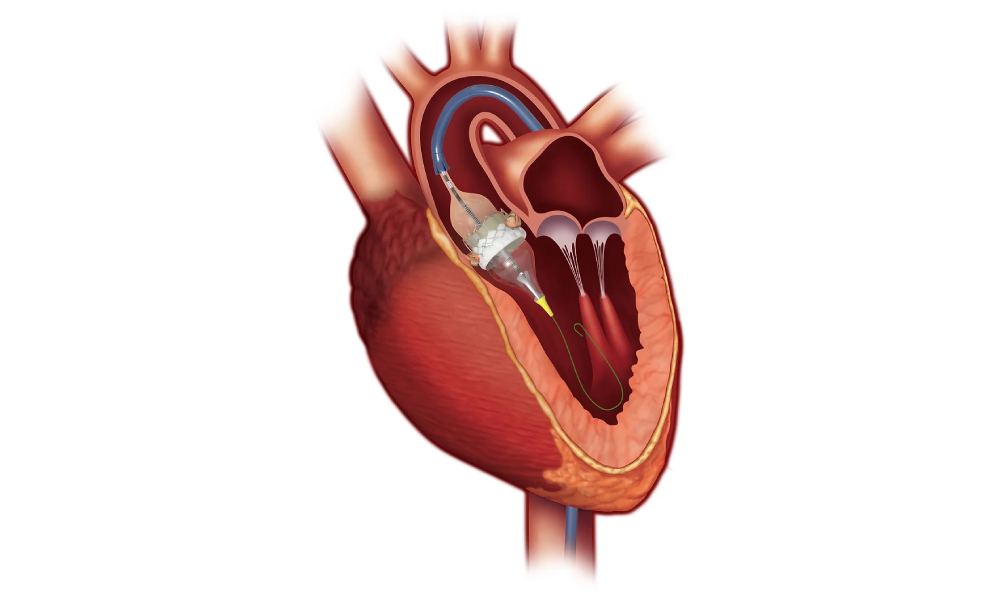
The procedure is usually performed by entering through the femoral artery (artery) in the right groin. If the artery diameter does not allow the procedure, other methods may be used. A stiff wire is first passed through the narrowed and calcified aortic valve and securely placed in the left ventricle. A balloon is then advanced through the wire and used to expand the calcified aortic valve. A stent-shaped prosthetic aortic valve is then advanced over the wire and deployed at the level of the aortic valve. The large incision in the groin is closed using a closure device. This method, which is currently only used in cases of aortic stenosis, may also be applicable in cases of aortic insufficiency in the near future, considering the development of new devices and advancements in technology.
 Türkçe