
Cardiac Catheterisation
- Home
- Cardiac Catheterisation
Cardiac Catheterisation
What are cardiac catheterisation and angiography, and why are these procedures necessary?
Cardiac catheterisation and angiography are diagnostic (diagnostic) methods, not treatments. They are based on imaging the heart chambers and coronary arteries while administering a contrast agent (a type of medical dye) and taking moving images using X-rays. The data obtained is very valuable in guiding treatment and is often the key factor in determining the treatment strategy for most patients. Thanks to current technological conditions and accumulated knowledge, the success rate of these procedures is over 99%.
How are cardiac catheterisation and angiography performed?
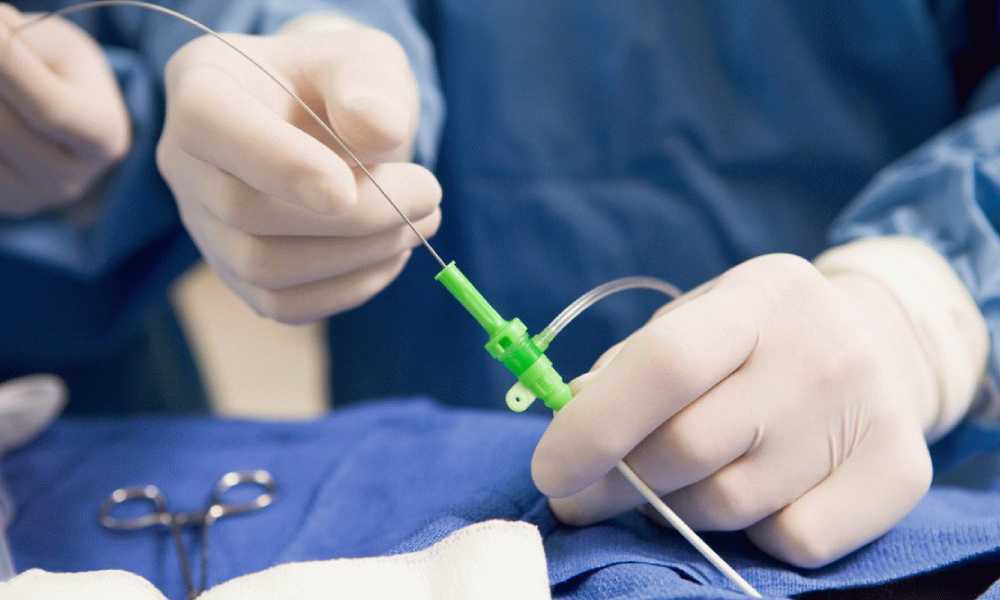
You must fast for 4-12 hours before cardiac catheterisation and angiography (medications may be taken with a small amount of water). Before the patient is taken to the catheterisation laboratory, the groin area must be shaved to ensure better sterilisation. A sedative may be administered if necessary. The groin or arm area where the procedure will be performed is numbed, and a cannula is inserted into the artery in that area (the entry point is opened). A thin tube made of a plastic-like material (catheter) is used to reach the heart chambers, where pressure readings are taken; contrast material is administered to visualise the coronary arteries, and images are recorded. This procedure takes about 20-30 minutes. After the procedure is completed, the cannula in the groin is removed and pressure is applied to the area for 15-20 minutes. Once bleeding has stopped, the area is covered with a tight bandage. However, in some medical cases, the cannula in the groin may need to be kept in place for a longer period of time, and this procedure may be modified. Except in exceptional cases, the patient is allowed to return to their daily life 24 hours after the procedure.
Are there any unwanted events associated with cardiac catheterisation and angiography, and what are the risks of the procedure?
During or immediately after cardiac catheterisation, although rare, problems and unwanted events (complications) related to the procedure may occur. After coronary angiography, pain, mild swelling and bruising (haematoma, ecchymosis, pseudo-aneurysm) may occur in the area where the procedure was performed, although this is uncommon. However, the likelihood of complications requiring repair in the procedure area is 2%. Rarely, stroke (paralysis) and myocardial infarction may occur. In experienced catheterisation laboratories, the incidence of these events is approximately 2 in 1,000. The risk to life is known to be less than 2 in 1000. Other complications that may occur (emergency surgery, perforation of blood vessels or chambers, severe allergic reaction leading to low blood pressure, certain arrhythmias, temporary need for a pacemaker, etc.) are very rare. During the placement of the cannula in the groin area or after the procedure, pain felt due to the removal of the cannula from the groin may cause a temporary drop in blood pressure and cold sweating, known as a ‘vagal reaction’ (2%). Most of these complications can be treated. Depending on the drugs used during the procedure, renal failure may develop, especially in association with iodinated contrast media. In most patients with renal failure, the condition improves, but in rare cases, patients may require dialysis treatment later in life.
What problems may arise if cardiac catheterisation and angiography are not performed even though they are necessary?
If cardiac catheterisation and angiography are not performed, sufficient information about the patient’s condition cannot be obtained, and the necessary interventions and treatments may not be planned in a healthy manner.
Are there alternative diagnostic methods that can replace cardiac catheterisation and angiography?
Parallel to advances in technology, there have been significant developments in cardiac imaging methods. However, there are currently no non-invasive (bloodless) diagnostic methods (such as computed tomography or magnetic resonance imaging) that can completely replace cardiac catheterisation and angiography and provide information as accurate as these methods.
Can balloon angioplasty and heart surgery be performed immediately based on the results of cardiac catheterisation and angiography, and should they be performed?
It should be noted that coronary interventional procedures (coronary balloon angioplasty, coronary stenting, etc.) or emergency cardiac surgery may be required during the same session if a complication arises during catheterisation and angiography or if the patient’s underlying condition requires urgent intervention. Except for the emergency situations mentioned above, the decision on whether further examination or treatment is required is made based on the evaluation of the angiography, and the patient is informed accordingly, with the necessary procedures and treatments planned. However, if the patient gives consent and the physician deems it appropriate, coronary therapeutic intervention may also be performed during the same session.
 Türkçe