
Mitral Balloon Valvuloplasty
- Home
- Mitral Balloon Valvuloplasty
Mitral Balloon Valvuloplasty
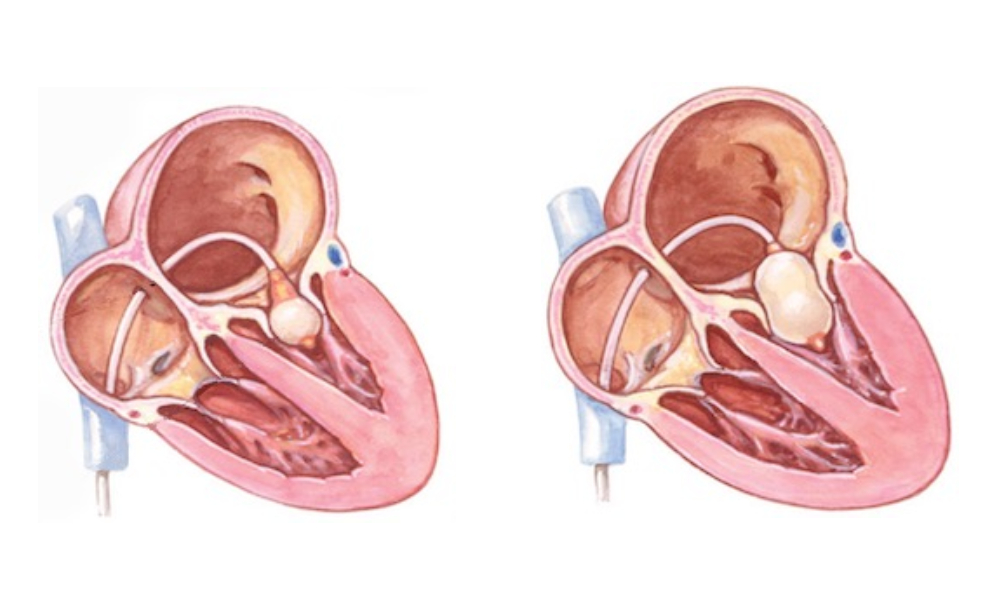
Mitral balloon valvuloplasty is a procedure in which the narrowed mitral valve is widened with the help of a balloon. The mitral balloon valvuloplasty procedure is performed by interventional cardiologists in an angiography laboratory. How is mitral balloon valvuloplasty performed? Prior to the procedure, the groin area is cleaned with antiseptic solutions and a local anaesthetic is administered. A cannula is inserted into the groin artery and vein, and a catheter is used to reach the right atrium of the heart. A special needle is then used to puncture the wall between the right and left atria and enter the left atrium. Then, a balloon catheter is passed from the left atrium to the left ventricle with the help of a special wire, and the mitral valve is inflated and widened as much as possible. After the procedure, the wire and balloon catheter are removed, the groin area is bandaged, the patient is placed in bed rest, and if there are no problems during follow-up, the patient is discharged the next day.What is the success rate of mitral balloon valvuloplasty? The success rate of mitral balloon valvuloplasty is over 90%. In most patients, the improvement can last up to 20 years. If necessary, mitral balloon valvuloplasty can be repeated when the mitral valve narrows again.Mitral balloon valvuloplasty has been performed at our cardiology centre for many years. Is mitral balloon valvuloplasty a risky procedure? As with any invasive procedure, there are risks associated with percutaneous mitral balloon valvuloplasty. These risks are influenced by factors such as the patient’s age and the presence of other diseases. Although these events are less common in experienced centres, the following undesirable events may occur during the procedure or within the first 12-24 hours. A serious tear may occur in the valve, and heart surgery may be required to repair the tear. A serious hole may form between the small chambers of the heart (atria). Perforation of the atria (septostomy) may cause blood to accumulate in the pericardium (heart membrane) and lead to pericardial tamponade, which can be life-threatening. Bleeding may occur in the groin area. This condition may result in bruising in the groin area or the formation of a bulge (pseudoaneurysm) in the artery, which may require surgical intervention. A stroke may occur, leading to loss of function in one side of the body and permanent disability.What are the advantages of mitral balloon valvuloplasty? When performed on suitable patients, mitral balloon valvuloplasty has many advantages over open-heart surgery. The most important advantage of mitral valve valvuloplasty over open-heart surgery is that the patient does not require general anaesthesia and the chest does not need to be opened. Patients remain awake during the mitral valve valvuloplasty procedure. Post-operative intensive care is unlikely to be required after mitral valve valvuloplasty.Additionally, patients can get up quickly and are often discharged the next day. Another important advantage is that while patients who undergo open-heart surgery and receive an artificial (prosthetic) valve require lifelong anticoagulant medication, the vast majority of patients who undergo mitral balloon valvuloplasty do not require anticoagulant medication unless they have an arrhythmia.
 Türkçe