The official website of a cardiology specialist based in Turkey / Istanbul.

Contacts

Erenköy Mah. Şemsettin Günaltay Cad. No:189 Daire:6 Kadıköy / İSTANBUL

osmanyes@superonline.com

+90 (532) 243 41 84
+90 (216) 411 50 51
+90 (216) 675 03 45

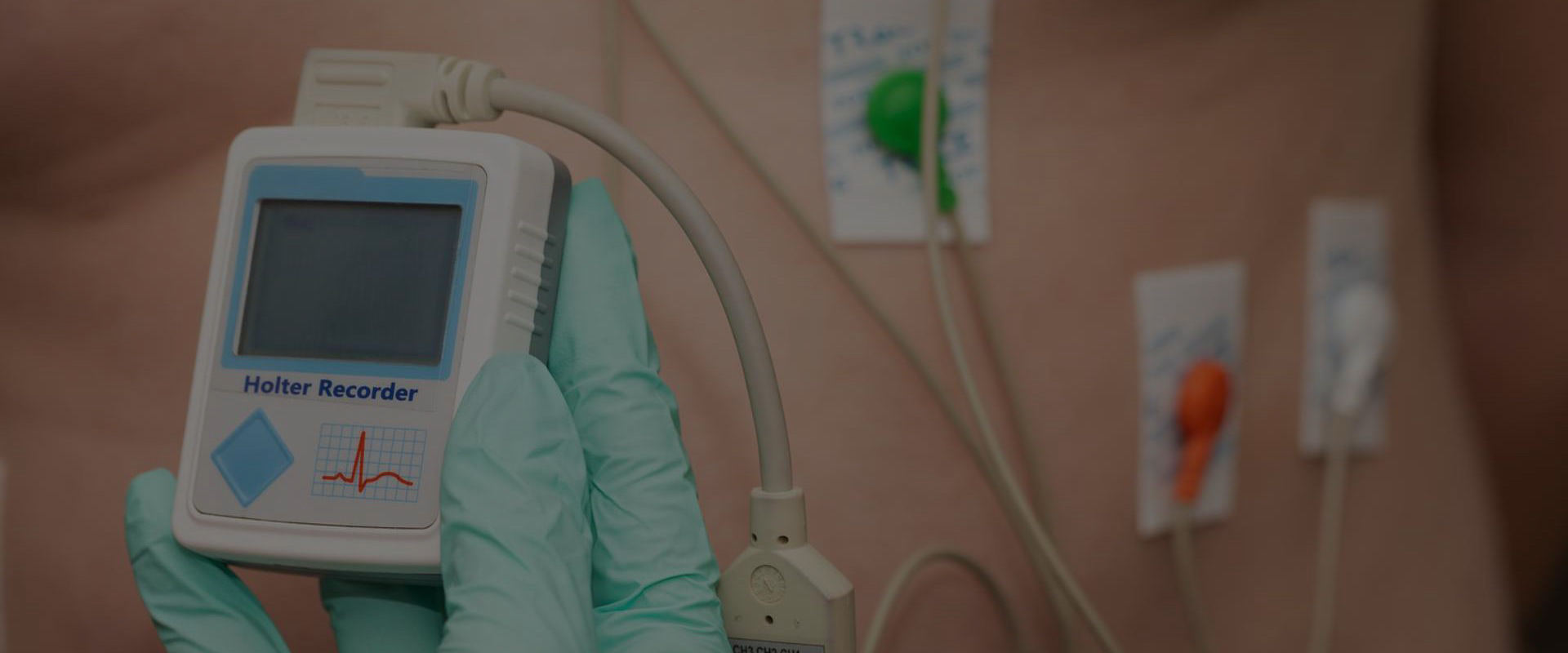
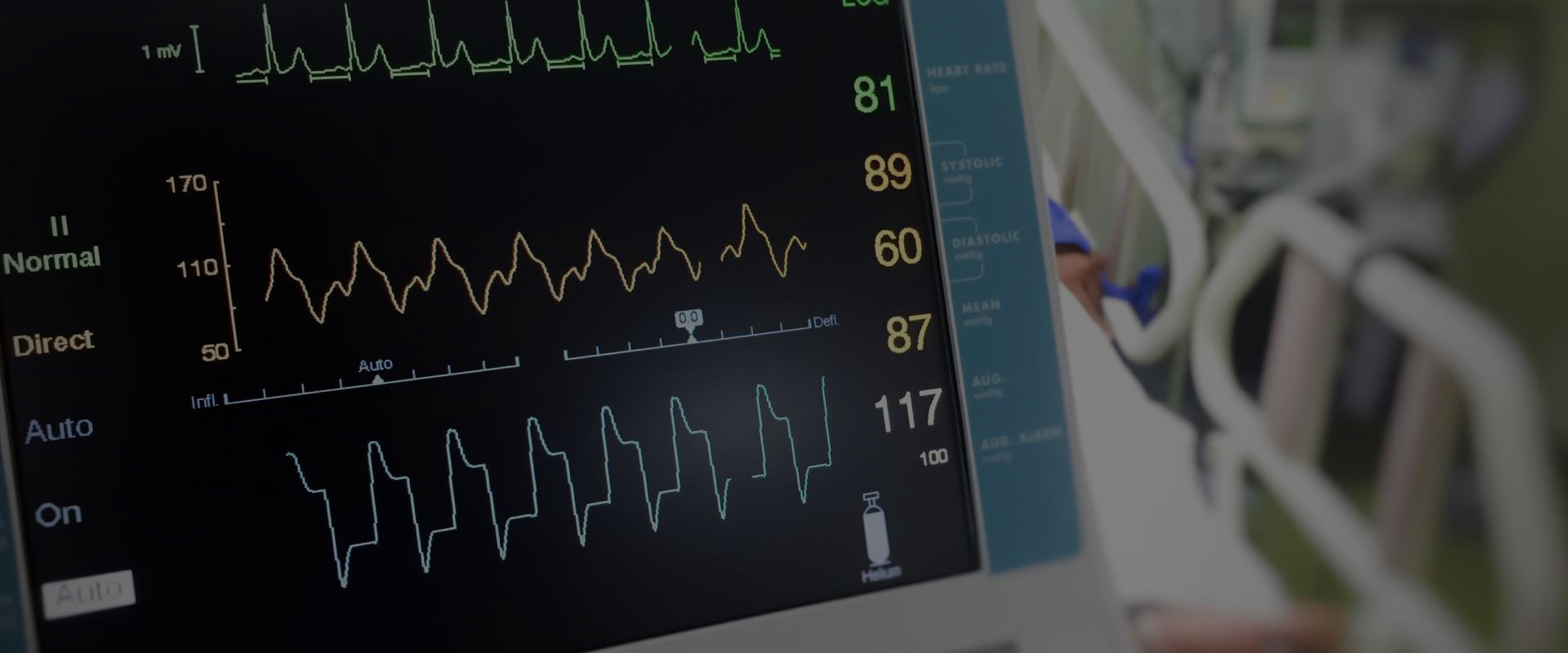
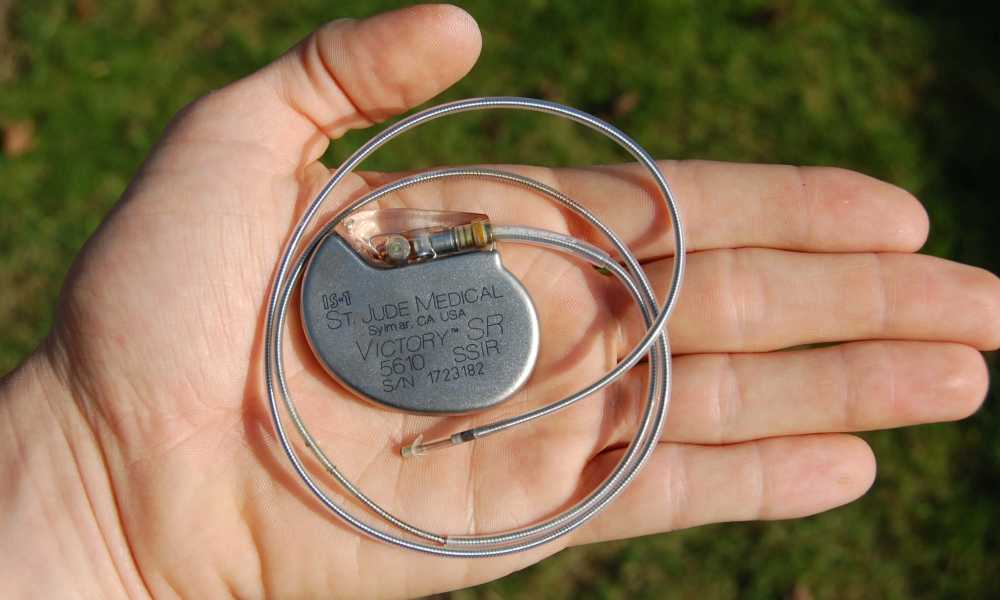
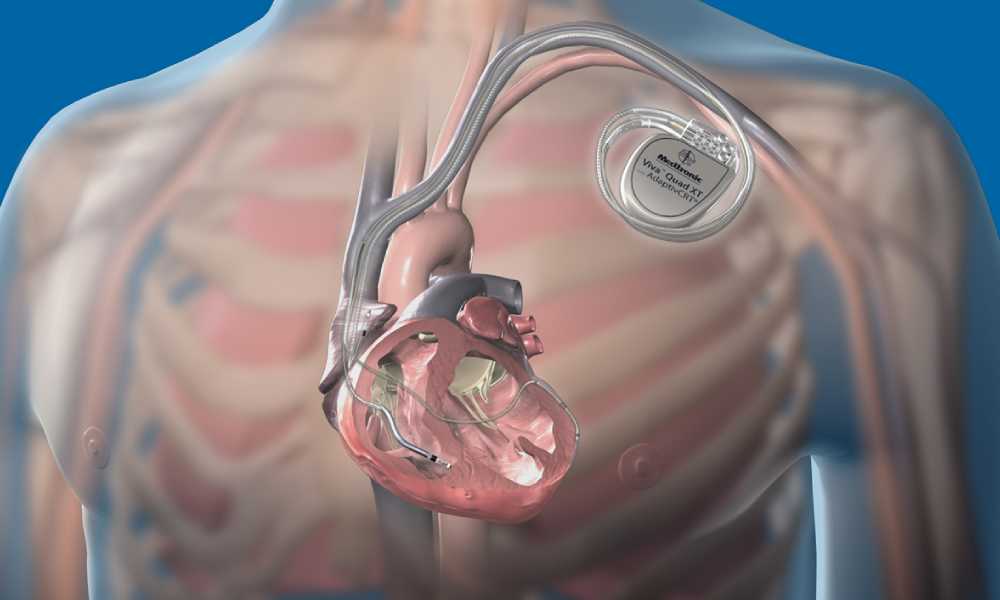
Cardiac Pacemaker A heart pacemaker is a device used to generate sufficient electrical impulses when the heart is unable to generate them adequately and/or deliver them to all areas of the heart. The purpose of a heart pacemaker is to maintain an adequate heart rate. Holter Monitor In medicine, a Holter monitor is a portable type of ambulatory electrocardiography device used for cardiac monitoring for at least 24 to 72 hours. The most common use of Holter is to monitor EKG heart activity. Electrocardiography Recording the electrical activity of the heart to examine the functioning of the heart muscle and the nervous system. The graph obtained from this recording is called an electrocardiogram, and the device used is called an electrocardiograph.
// PROFESSOR DOCTOR

Osman Yeşildağ

I was born on 25 November 1955 in the village of Fertek, Niğde. In 1966, I graduated from Cumhuriyet Primary School in the district of Bor, Niğde. In 1972, I graduated first in my class from Bor Şehit Nuri Pamir High School. In 1970, I won a scholarship from TÜBİTAK and studied at high school and university for nine years as a TÜBİTAK scholarship recipient. In 1972, I enrolled at Hacettepe Faculty of Medicine. I graduated as a medical doctor on 30 June 1979. On 15 August 1979, I passed the entrance exam for the Internal Medicine Residency Programme at Hacettepe University Faculty of Medicine and began my residency training. In October 1983, I became a specialist in Internal Medicine. Between December 1983 and April 1985, I completed my 16-month military service at the headquarters of the Land Forces Command. Between April 1985 and September 1987, I served as an Internal Medicine Specialist at Sivrihisar State Hospital in Sivrihisar district of Eskişehir for 2.5 years as part of my mandatory service.

Cardiac
Catheterisation
View More
Selective Coronary Angiography
View More
Percutaneous Coronary Angioplasty
View More
Coronary Stent Implantation
View More
Permanent
Pacemaker
View More
Mitral Balloon Valvuloplasty
View More
CRT-ICD
Implantation
View More
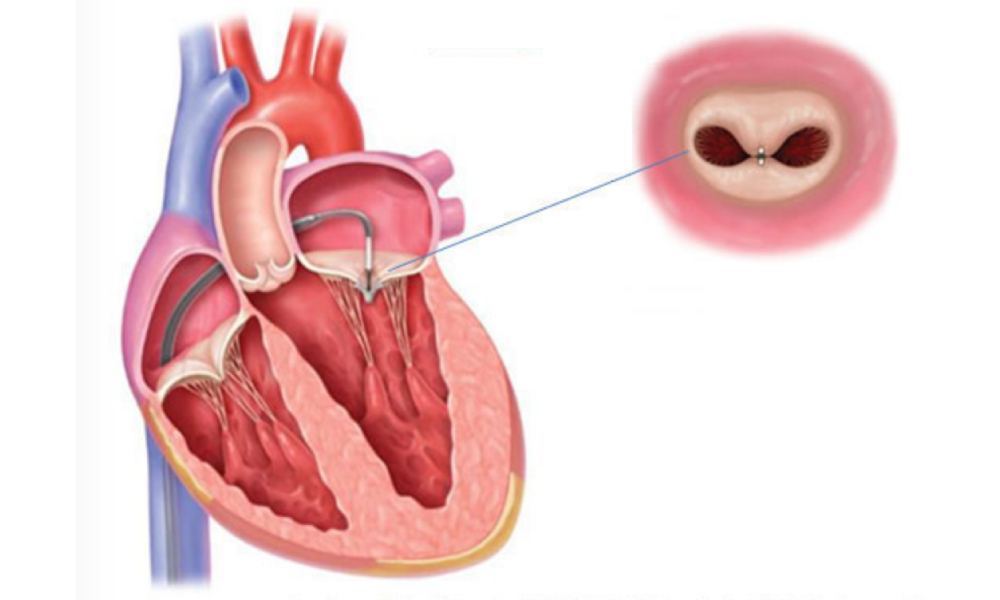
Mitraclip Device (Clip) Application
View More
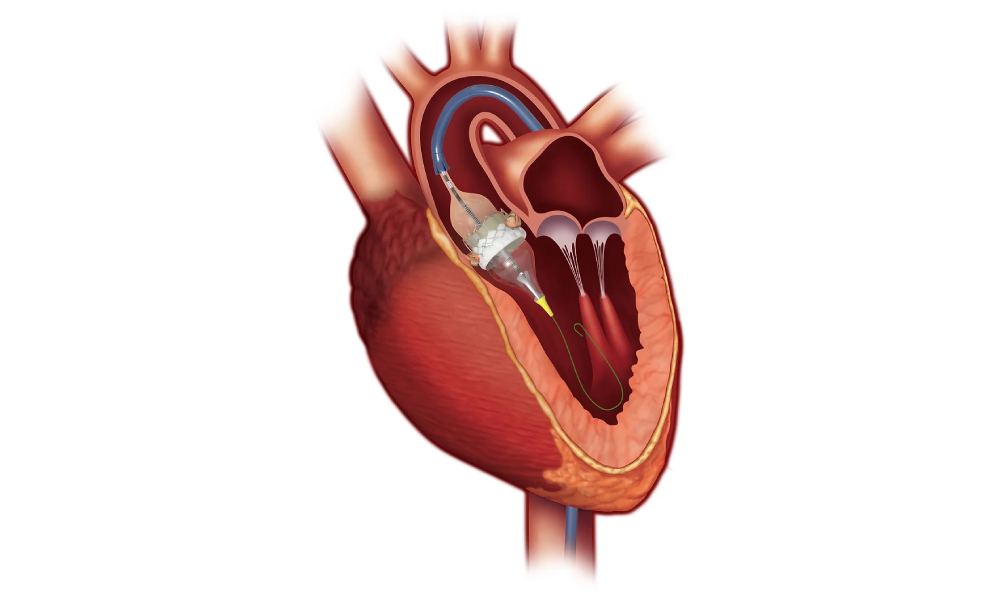
TAVI-Based Aortic Stenosis Therapy
View More
// OSMAN YEŞİLDAĞ

FAQ

Does high blood pressure damage the heart?

Yes. High blood pressure makes it easier for coronary arteries to become blocked. In this respect, it is a serious risk factor. Additionally, it causes the heart muscle to thicken, harden, and lose its elasticity, leading to shortness of breath. Over time, this can result in heart enlargement and a decrease in the heart’s ability to contract, ultimately causing symptoms and signs of heart failure. As a result, the patient’s quality of life decreases and life expectancy is reduced.

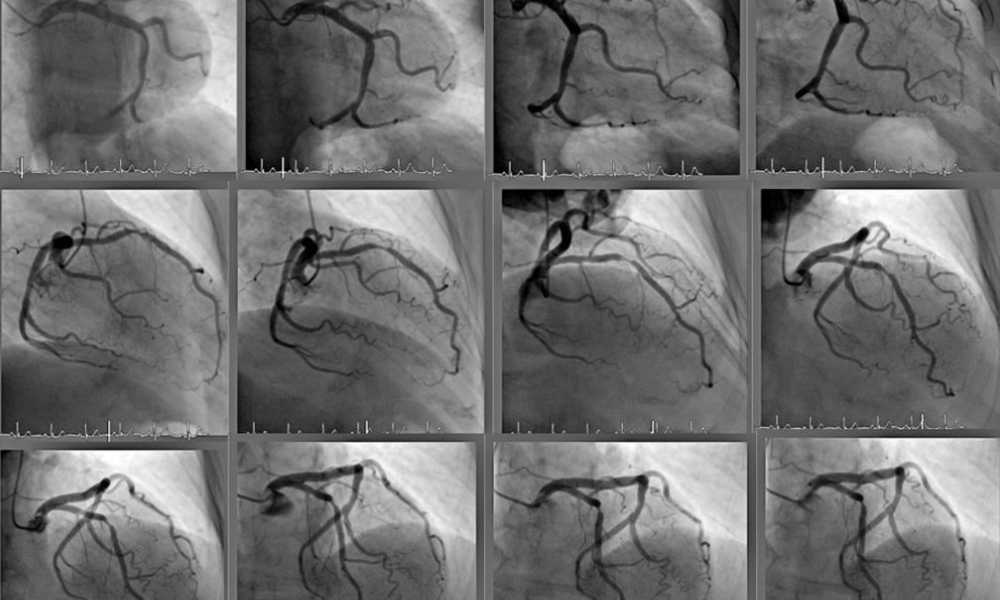
Especially in individuals at risk for atherosclerosis (diabetes, high blood pressure, smoking, high cholesterol, obesity, sedentary lifestyle) and especially in individuals who report chest pain during exertion, if tests such as an electrocardiogram (ECG), stress test, echocardiogram, CT coronary angiography, or myocardial perfusion scintigraphy reveal findings consistent with coronary artery disease, coronary angiography must be performed. Otherwise, it is unnecessary and unnecessary. It should be remembered that angiography is not entirely harmless and may, in rare cases, cause death or lead to serious complications.

Swelling in both feet may be a symptom of heart failure. If the swelling leaves an indentation when pressed with a finger, it indicates excess fluid accumulation in the body. This condition may occur not only in heart failure but also in kidney and liver failure. Swelling on one side is not related to heart failure. It may be caused by blockage or inflammation in the veins (venous occlusion) or lymphoedema (elephantiasis).

Coronary heart disease, or more accurately, coronary artery disease, which usually manifests itself as severe pain in the front of the chest, is sometimes referred to as the ‘chest plate.’ It may sometimes present without any symptoms. This condition is commonly referred to as ‘silent heart disease.’ Ischemia refers to the insufficient supply of blood to the heart muscle due to blocked heart arteries, resulting in an inability to meet the heart’s oxygen and energy needs. Silent ischaemia is seen in approximately 20% of patients.

Such patients may live for years without knowing they have heart disease or may have had a heart attack (myocardial infarction) without realising it. Despite significant narrowing of the coronary arteries that supply the heart, the patient does not feel any discomfort, especially chest pain. The deadly quartet, or four horsemen of the apocalypse, consisting of diabetes, high blood pressure (hypertension), high cholesterol (hypercholesterolemia) and smoking, plays an important role in the onset of the disease. The incidence of silent ischaemia increases in men after the age of 45 and in women after menopause. Silent ischaemia is particularly common in elderly patients over the age of 80 and in diabetic patients. Since diabetes causes nerve damage (neuropathy), patients may not feel pain. Other risk groups for silent ischemia include:
1- Individuals with a family history of heart disease and sudden death
2- Patients with chronic kidney failure
3- Individuals who have previously experienced a heart attack (myocardial infarction) and those with documented coronary artery disease (coronary angiography showing narrowing of the coronary arteries, stent placement, or bypass surgery)
4- Obese individuals
5- Elderly patients who have suffered a stroke
6- Patients with hyperlipidaemia, which is characterised by elevated levels of LDL cholesterol in the blood
7- Patients with a genetic predisposition to blood clotting
8- Patients with chronic obstructive pulmonary disease (COPD)

Coronary artery blockage in the heart, experience chest pain during exertion and are forced to stop and rest, while patients with silent heart disease (silent ischaemia) do not feel chest pain and continue exertion or exercise without resting. This ultimately leads to a heart attack (myocardial infarction). This is because chest pain, which is one of the most common symptoms preceding a heart attack, unfortunately does not occur in these patients. This is the most common cause of heart attacks or sudden death in some people after playing football on artificial turf.

Even if chest pain is not present in these patients, other symptoms such as shortness of breath, dizziness, faintness, nausea, vomiting, fatigue, weakness, indigestion, sweating, and a feeling of suffocation may be present. In situations of mental stress such as excessive sadness, anger, excessive excitement, fear and anxiety, even without exertion, the heart rate may increase beyond our control while at rest, causing silent heart disease (silent ischaemia) to emerge and a heart attack to occur.

The best indicator (marker, indicator) of silent heart disease is cholesterol levels. High LDL cholesterol (bad cholesterol) or low HDL cholesterol (good cholesterol) or both together. In such cases, if other risk factors, family history, or genetic predisposition are present, it is essential to investigate whether the coronary arteries supplying the heart are blocked using other tests. The simplest and most affordable laboratory test to detect silent ischaemia is a 12-lead electrocardiogram (ECG).

TR Flag Türkçe