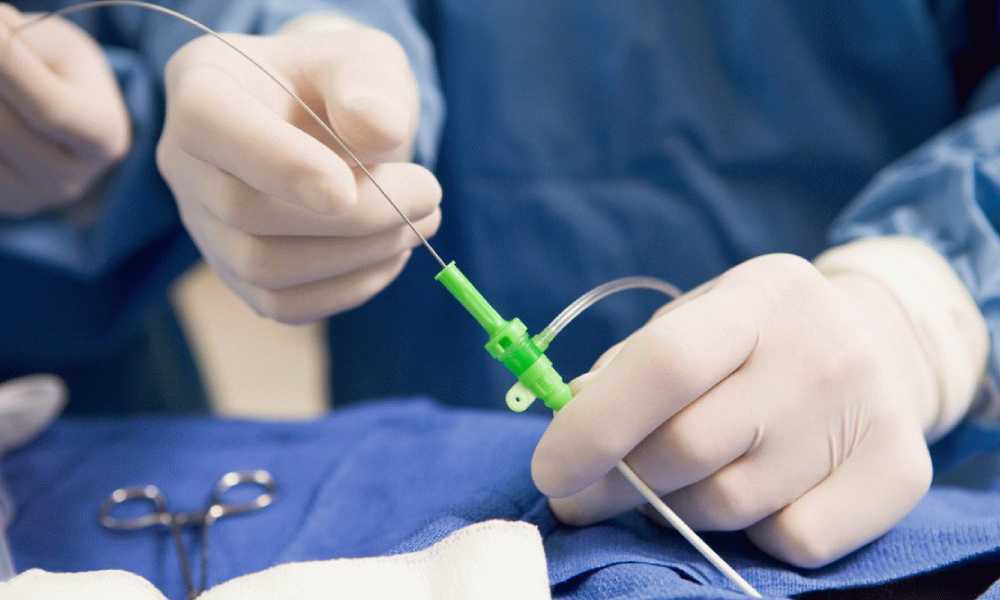
PTCA and/or stenting are methods used to treat narrowing or complete blockages in the arteries supplying blood to the heart that are detected after coronary angiography. PTCA and/or stenting are performed in an angiography laboratory without sedating the patient, using local anaesthesia at the site of entry. The duration of the procedure varies. At the end of the procedure, the patient is transferred to the appropriate ward according to the doctor’s recommendation. Coronary balloon angioplasty is performed using specially designed materials. First, a catheter is inserted through a sheath placed at the site of the procedure. A very thin guide wire is advanced through the catheter and passed through the narrowed area of the artery. The balloon is then advanced over the guide wire and delivered to the target area. The balloon is then inflated with fluid from outside to open the narrowing. The procedure is completed once the opening is deemed sufficient during the subsequent check. Proper opening is rare. Stents are used in 95% of patients to reduce the risk of future narrowing. Initially, only bare metal stents made of special, corrosion-resistant metal were used, but today, new and different drug-eluting stents are also used, thanks to technological advancements.

 Türkçe